
The Allure of High-Stakes Gambling
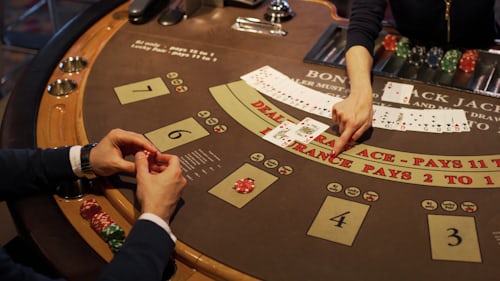
The thrill of high-stakes gambling often attracts individuals seeking excitement and a tantalizing escape from their daily lives. The atmosphere of a bustling casino, filled with the sounds of spinning wheels and clattering chips, creates an intoxicating environment. Players can experience a surge of adrenaline, which is a significant factor in the allure of high-stakes gambling. This rush can lead to a feeling of euphoria, pushing individuals to play for longer periods and bet larger amounts than they typically would. As players explore their options, many find themselves drawn to a bitcoin casino australia for a unique experience.
Moreover, many gamblers perceive high-stakes games as exclusive, lending an air of prestige to the experience. Engaging in high-stakes play often conveys a sense of wealth and success, which can be psychologically gratifying. This social aspect of gambling is powerful and can drive individuals to pursue high-stakes games, hoping to achieve not only financial gain but also social recognition.
The Role of Risk and Reward
At the heart of high-stakes casino gambling lies the intricate balance of risk and reward. Gamblers are drawn to the potential for substantial payouts, fueled by the idea that taking greater risks can lead to greater rewards. This concept is rooted in psychological theories, such as prospect theory, which explains how individuals evaluate potential losses and gains. The excitement of risking significant sums of money can create a sense of urgency and anticipation, compelling players to continue engaging in high-stakes activities.
Furthermore, the concept of loss aversion plays a critical role in gambling behavior. According to this theory, the pain of losing is often felt more intensely than the joy of winning. As a result, gamblers may increase their bets in an attempt to recover losses, a behavior known as “chasing losses.” This cycle can lead to irrational decision-making and escalating stakes, further entrenching individuals in the high-stakes environment.
Addiction and Compulsion in High-Stakes Gambling
The psychological factors that draw individuals to high-stakes gambling can sometimes lead to addiction. The thrill-seeking behavior associated with gambling is similar to the risk-taking behavior found in substance abuse. The brain releases dopamine, a neurotransmitter linked to pleasure and reward, during gambling activities, reinforcing the behavior and creating a dependency on the sensations associated with winning and losing.
Additionally, cognitive distortions, such as the gambler’s fallacy (the belief that past outcomes influence future results), can further entrench individuals in gambling behaviors. These distorted beliefs can make it difficult for players to recognize when they should stop gambling, leading to compulsive behaviors that can have devastating financial and emotional consequences.
The Influence of Environment and Social Factors
The environment of a casino plays a crucial role in high-stakes gambling behavior. Factors such as lighting, sounds, and even the design of the casino itself are meticulously planned to create an immersive experience that encourages prolonged engagement. These features stimulate the senses and foster a sense of urgency, making it easier for players to lose track of time and money.
Social influences also play a significant role in high-stakes gambling. A communal atmosphere, often found in casinos, can amplify the experience as players feed off each other’s energy. The presence of other gamblers can enhance the thrill of the game, driving individuals to take risks they might not consider if playing alone. The interplay between environment and social interaction highlights the complexity of gambling psychology in high-stakes settings.
Understanding Responsible Gambling
As the world of high-stakes gambling continues to evolve, so does the emphasis on promoting responsible gambling practices. Understanding the psychological underpinnings of gambling behaviors can aid in developing effective strategies to help individuals manage their gambling activities. Resources that educate players about the risks associated with high-stakes gambling can empower them to make informed decisions.
Furthermore, casinos and online platforms increasingly prioritize responsible gambling initiatives, providing tools such as self-exclusion programs and budget-setting options. By raising awareness of the psychological factors that contribute to gambling behavior, the industry can support players in finding a balance between enjoying the excitement of gambling and maintaining control over their actions.