
The role of luck versus skill in various gambling games
Understanding Gambling Mechanics
Gambling encompasses a variety of games, each with its own mechanics, rules, and outcomes. At the core of these games lies the debate about the roles of luck and skill. For many players, this understanding is crucial in determining their approach to gaming, whether they’re drawn to chance-based games or those that require strategic thinking. The dynamics of each game can significantly influence a player’s experience and potential success.
In games such as slots or roulette, luck plays a predominant role. These games are often based purely on chance, and outcomes are determined by random number generators or spinning wheels. On the other hand, games like poker or blackjack require a combination of skill and luck, as players must employ strategies while navigating unpredictable elements. Each type of game offers a unique perspective on how luck and skill manifest in gambling.
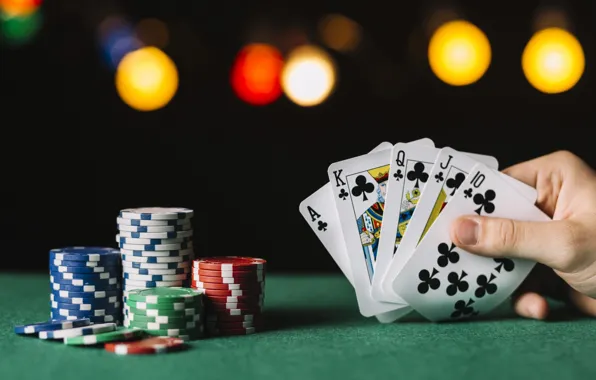
Understanding these mechanics also aids players in selecting games that align with their preferences and abilities. Some might enjoy the thrill of chance, while others find satisfaction in outsmarting opponents. Furthermore, being aware of how each game functions can encourage responsible gambling practices, as players learn about the inherent risks involved.
The Luck Factor in Casino Games
Luck is an inescapable aspect of gambling, especially in casino games. For instance, when playing a game of chance, like a slot machine, the outcomes depend solely on random factors, making skill irrelevant. Players may follow strategies or betting systems, but in the end, the spin of the reels or the shuffle of the cards determines their fate. This unpredictability is what makes these games thrilling yet risky.
Moreover, the thrill of hitting a jackpot or a winning hand depends heavily on fortunate circumstances. Many players find excitement in the possibility of luck playing out in their favor, contributing to the overall appeal of these games. However, it’s essential for players to be aware that while luck can yield substantial rewards, it can also lead to losses, accentuating the need for responsible gaming.

The psychological aspect of luck also plays a role in how players approach these games. Many gamblers experience emotional highs and lows based on their perceived luck, often leading them to chase losses or engage in riskier bets. This highlights the importance of maintaining a balanced mindset, allowing players to enjoy the thrill of the game without succumbing to the pitfalls of ill-advised actions.
The Role of Skill in Strategy Games
In contrast to games of luck, skill-based games require players to make informed decisions that can greatly influence the outcome. Poker, for example, relies heavily on a player’s ability to read opponents, manage their bankroll, and implement various strategies throughout the game. In these scenarios, mastering the rules and developing specific skills allow a player to improve their chances of winning consistently.
Skill-based games provide a sense of empowerment that is often missing in purely luck-driven games. Players feel more in control as they apply their knowledge and experience to navigate challenging situations. This combination of skill and strategy can transform the gambling experience, making it not just about chance but also about mastery and personal growth in gameplay.
As players invest time in honing their skills, they’re likely to develop a deeper appreciation for the game itself. This can lead to longer-lasting enjoyment and a more fulfilling gambling experience. Furthermore, skill-based games often foster a sense of community among players as they engage in discussions and share strategies, enhancing the overall enjoyment of the gambling landscape.
The Balance of Luck and Skill
Many gambling games fall on a spectrum between luck and skill. Some may predominantly rely on luck, while others blend the two, creating diverse experiences for players. For instance, blackjack requires skill in decision-making but is still subject to the unpredictable outcomes of card distribution. Understanding this balance is essential for players determining their approach to gambling.
Recognizing where a specific game lies on this spectrum can help players develop realistic expectations. By embracing the elements of both luck and skill, players can approach their chosen games with both excitement and strategy, aware that while they may not always influence outcomes, their decisions can still play a significant role in the process.
This balance also encourages players to diversify their gaming experiences. Some might find enjoyment in the unpredictability of luck-based games one day and prefer the challenge of developing skills the next. Engaging in a variety of gambling formats not only keeps the experience fresh but also allows players to adapt their strategies based on their changing preferences.
Explore More Gambling Insights
For a deeper understanding of the various dimensions of gambling, including the intricate balance of luck and skill, visiting insightful resources is invaluable. Websites dedicated to gaming strategies can help players enhance their skills and make better-informed choices. One such useful resource can be found at neosurf australia casino, where you can explore numerous games and learn more about effective strategies.
As you delve into the world of gambling, keep in mind that the journey is not just about winning or losing but also about honing skills, enjoying the experience, and understanding the influence of luck. With the right knowledge and approach, you can navigate the complexities of various gambling games while enhancing your overall enjoyment. Engage with fellow enthusiasts, participate in forums, and continuously seek to learn more, ensuring that your gambling experiences remain engaging and enjoyable.