
Recognizing the signs of gambling addiction A guide to prevention and awareness
Understanding Gambling Addiction
Gambling addiction, also known as compulsive gambling or gambling disorder, is characterized by the inability to control one’s gambling behavior despite the negative consequences that arise. This addiction can lead to severe financial, emotional, and social repercussions. People who suffer from this condition often prioritize gambling over essential responsibilities, relationships, and health, creating a vicious cycle that can be hard to break. If you’re interested in exploring options, you might find the best online pokies nz to be an enticing choice.
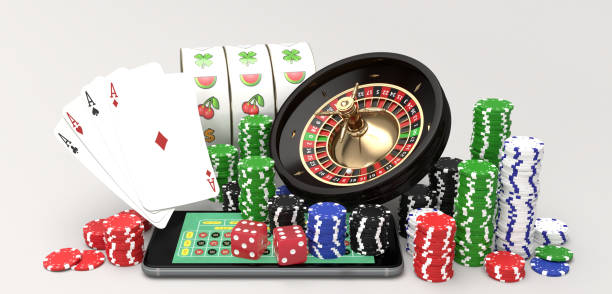
Understanding the psychological aspects of gambling addiction is crucial. Individuals may start gambling for various reasons, such as seeking excitement, relief from stress, or the thrill of potentially winning money. However, the transition from casual gambling to addiction can occur gradually, as the brain begins to associate gambling with pleasure, reinforcing the behavior. Recognizing these early signs can be vital for timely intervention.
Moreover, the accessibility of gambling—especially through online platforms—has increased the prevalence of this addiction. Many individuals may not realize they have a problem until it significantly impacts their life. Awareness and education are essential components in combating gambling addiction, highlighting the importance of recognizing the signs before they escalate.
Common Signs of Gambling Addiction
Identifying gambling addiction early can prevent severe consequences. Common signs include preoccupation with gambling, where individuals constantly think about gambling experiences or plan their next game. This obsession can disrupt daily activities, including work and family commitments, indicating a problem that needs addressing. Emotional distress often accompanies this preoccupation, leading to anxiety and depression as individuals grapple with their inability to control their gambling behavior.
Another prevalent sign is chasing losses, a behavior where individuals continue to gamble in an attempt to win back lost money. This can lead to financial turmoil, as they may borrow money, sell possessions, or even engage in illegal activities to fund their gambling. The financial strain can further exacerbate feelings of shame and guilt, creating a downward spiral that is difficult to escape without support.
Changes in behavior and mood are also significant indicators. An individual struggling with gambling addiction may become irritable, restless, or withdrawn. They might also lie about their gambling habits, creating a facade to hide their addiction from friends and family. Recognizing these behavioral changes is crucial for loved ones, as it can be the first step towards providing help and encouraging the individual to seek treatment.
Consequences of Gambling Addiction
The consequences of gambling addiction can be profound and far-reaching. Financial problems often emerge as individuals exhaust their savings or incur massive debts to fuel their gambling habits. This financial strain can lead to bankruptcy, loss of property, or even criminal charges if illegal means are used to obtain money for gambling. The stress and anxiety stemming from these financial issues can further worsen the individual’s mental health, resulting in a dangerous cycle of addiction.
Relationships are another area heavily affected by gambling addiction. Trust issues can arise when loved ones discover the extent of the gambling, leading to conflicts, breakdowns in communication, and even separation or divorce. Friends and family may feel helpless or frustrated, leading to feelings of isolation for the person struggling with addiction. Recognizing the impact on personal relationships is vital for both the individual and their loved ones, as support plays a crucial role in recovery.
Additionally, the impact of gambling addiction on mental health cannot be overstated. Many individuals may experience anxiety, depression, and even suicidal thoughts as they navigate the consequences of their addiction. The stigma surrounding addiction can prevent individuals from seeking help, leading to a worsening mental health state. Awareness and support are essential in addressing these issues, emphasizing the need for a compassionate approach to treatment and recovery.
Preventive Measures and Support Systems
Preventing gambling addiction begins with awareness and education. Individuals should be informed about the risks associated with gambling and the potential for addiction. Establishing personal limits on time and money spent on gambling activities can be a critical first step in avoiding addiction. It is also essential to recognize the signs of problem gambling in oneself and others, as early intervention can lead to more effective treatment.
Support systems are invaluable for those struggling with gambling addiction. Friends and family can play a significant role in encouraging individuals to seek help, providing emotional support, and creating an environment conducive to recovery. Professional treatment options, including therapy and support groups, can also be highly effective. Cognitive-behavioral therapy, for example, can help individuals understand the triggers for their gambling behavior and develop healthier coping mechanisms.
Moreover, numerous organizations offer resources and support for those impacted by gambling addiction. These resources can provide a safe space for individuals to share their experiences and learn from others facing similar struggles. Education about the signs and consequences of gambling addiction is vital for communities, ensuring that those in need can find the help they require without shame or fear of judgment.

Conclusion and Resources
Recognizing the signs of gambling addiction is the first step towards prevention and recovery. By understanding the nature of this addiction and its consequences, individuals can take proactive measures to protect themselves and their loved ones. Awareness is not only essential for those directly affected but also for friends and family, enabling them to provide the necessary support and intervention.
For individuals seeking help, numerous resources are available, including helplines, support groups, and educational materials designed to foster understanding and recovery. Websites dedicated to gambling addiction provide comprehensive information on recognizing the signs, understanding the risks, and finding treatment options. By embracing prevention and awareness, we can combat the growing issue of gambling addiction, fostering healthier relationships with gambling and promoting mental well-being.